The Divine Mother (Sri Mata)
The first and most important names of devi from Lalitha Sahastranamam.
published on: Jun 30, 2026
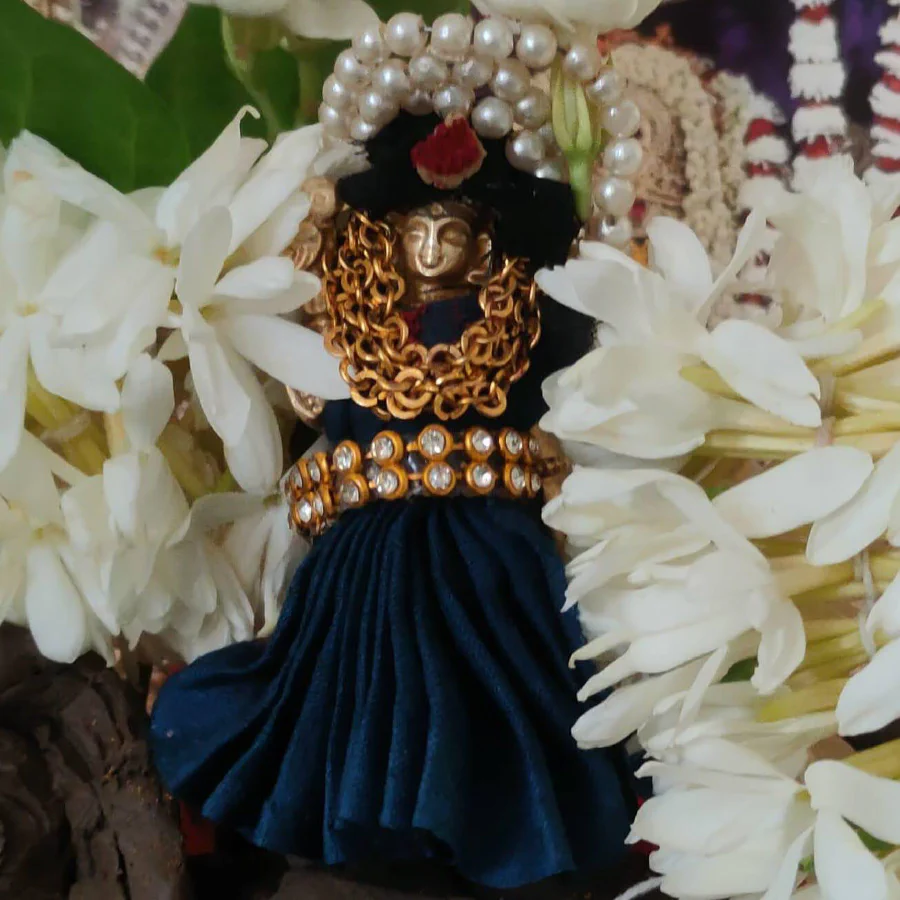
This post marks the beginning of our deep dive into the thousand names of Lalitha Tripura Sundari Devi. Just as we previously explored the greatness of the Lalitha Sahasranamam, the very first name of the Devi holds profound importance and sets the tone for the entire chant. Let’s unpack it.
Note: For this exploration, I am following the insights from the ‘Saubhagyabhaskara’, the renowned Sanskrit commentary on the Lalitha Sahasranamam by Sri Bhaskararaya.
The chant opens with Sri Mata, which simply translates to “The Divine Mother.”
Her as the “Mother”
It is human nature to call out for our mothers in times of sorrow. However, our worldly mothers, despite their profound love, cannot protect us from the existential suffering of life: the three types of miseries known as tapatraya. As the wise have observed:
नानायोनिसहस्त्रसंभववशाज्जाता जनन्यः कति प्रख्याता जनका कियन्त इति मे सेत्स्यंति चाग्रे कति ।
एतेषां गणनैव नास्ति महतः संसारसिंधोविधे- भतं मां नितरामनन्यशरणं रक्षानुकंपानिधे
Being born in thousands of different wombs, how many mothers have I had? How many famous fathers? And how many more will I have in the future? There is no counting them. O Krupa Nidhe (Treasure of Compassion), please protect me, who is completely drowned in this great ocean of Samsara (the cycle of rebirth) and has no other refuge.
Only the Supreme Mother is capable of destroying this endless sorrow, which is why she is praised as ‘Sri Mata’ to invoke Her innate compassion toward us. We call Her Mother because She ultimately grants the highest fruit of all our prayers: Liberation (Moksha).
Her as the Creator of the Gods
श्रिया लक्ष्म्या माता श्रीरिति गीरुपलक्षणं तद्वाचकमेव वा
Alternatively, the word Sri encompasses the divine feminine trinity: Lakshmi (wealth), Saraswati (knowledge), and Gauri (power). In this light, ‘Sri Mata’ means She is the Mother of the Tridevi, not just a consort to the gods.
तत्रितयजनयित्री परशिवमहिषी परा भट्टारिका
She is the Creator of the Divine Triad, the Supreme Queen of Para-Shiva. She is the primordial Supreme Energy (Para Bhattarika) who actually gave birth to the other gods and goddesses.
Her as Limitless Liberation
In Sanskrit, the root ma can also mean “to measure.” Therefore, She is the one who ‘measures’ (mati) wealth and abundance (sri). Philosophically, the one who measures is always greater than the thing being measured. Because the Goddess is doing the measuring, She remains infinite, making Her the boundless Sri in the form of Liberation.
सा हि श्रीरमृता सताम् ।
As the Vedas declare: “She indeed is the immortal Sri of the good.”
Her as the Source of Vedic Knowledge
Taking this further, She ‘measures’ or imparts the Trayi (the three Vedas) to Lord Brahma, organizing them into divisions.
‘यो ब्रह्माणं विदधाति पूर्व यो वै वेदांश्च प्रहिणोति तस्मा’ इति श्रुतेः |
As the Shruti states: ‘He who first creates Brahma and delivers the Vedas to him.’ This means She is the primary manifestation of divine knowledge.
Her as the Shiva
श्रियं विषं माति कण्ठे स्थापयतीति वा
Interestingly, by interpreting sri as poison (visham), the name describes “the one who holds poison in the throat”, a clear reference to Lord Shiva. In these deeper linguistic interpretations, the name takes on a masculine form. Why?
शिवशक्तयोरभेदात्प्रकाशो विमश वा विशेष्यः ।
Because Shiva and Shakti are entirely non-different. The term can refer equally to Prakasha (the static, illuminating consciousness of Shiva) or Vimarsha (the reflective, dynamic awareness of Shakti).
Her as the Bramhan
The Taittiriya Upanishad starts exaplining about bramhan like this:
यतो वा इमानि भूतानि जायन्ते
“That from which truly all these beings are born”. She is the ‘mata’, the fundamental source of the universe.
She is “Mother” not because she has children, but because the entire cosmos is born from. Therefore, the name “Mata” is her most perfect description (without needing any qualifying adjective).
Why So Many Meanings?
You might wonder why a single, simple mantra like Sri Mata holds so many distinct interpretations. Bhaskararaya answers this beautifully:
मन्त्रे विशेषाभावेऽप्यर्थानुसंधाने विशेषः ।
While the mantra remains the same, meditating on its deeper meanings brings special spiritual merit.
Conclusion
Finally, Sri is also used simply as a traditional honorific prefix to denote something sacred: like Sri Chakra, Sri Sailam, or Sri Vidya. In this simplest sense, Mata means the Creator or Mother of all.
श्रीमात्रे नमः
Hence I begin this spiritual journey with a single, profound thought: My deepest salutations to the Creator of all, Sri Lalitha Tripura Sundari.